

Access
Shifting the policies of universities and governments to promote access to medicines, not obstruct it.
Medicines must be made available to all people
Shift our institutions’ policies to promote access to medicines, not obstruct it. Medicines and health technologies, particularly those developed at universities and public research institutions or with public funding, must be made available, accessible, and affordable to all people in a timely manner. Our universities should take action against health injustice, not reproduce it.
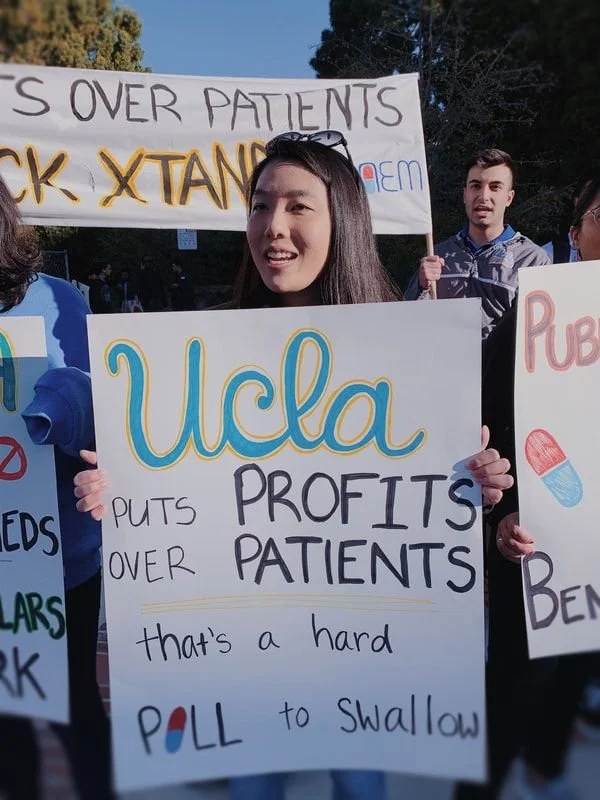
The majority of new drug research begins in public universities and research institutions, funded by public money. The policy decisions made at that level therefore have enormous power to widen, or to close, the access gap.

We face a global access to medicines crisis: at least 10 million people are estimated to die annually from a lack of access to essential medicines. Yet the world population is not equally affected by this crisis: 90% of the global drug production is consumed by 10% of the global population, concentrated in rich countries.
Because so much medical innovation originates in the public research system with public funding, universities and governments are not bystanders to the access crisis, they are actors in it. Every licensing and policy decision determines whether a publicly funded discovery reaches people worldwide or only those who can pay the most.
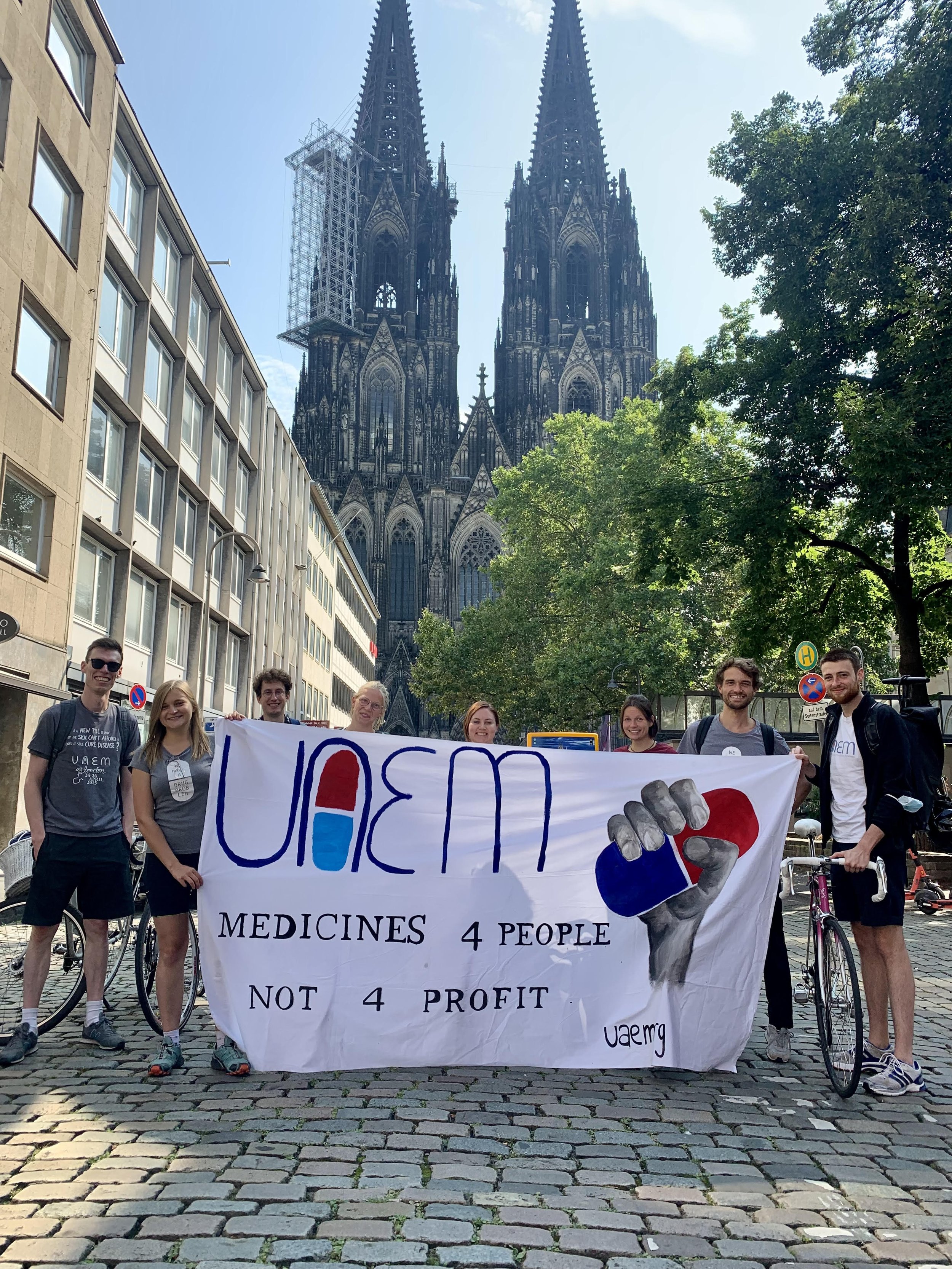
UAEM’s work runs from the campus to the highest levels of policy. On campus, members analyze their institution’s licensing practices and press for transparent, equitable policies. Beyond it, we demand that governments and public bodies remove barriers to access and support equitable solutions.
Access Tools and Resources




Our universities must take action against health injustice


Universities decide what happens to the discoveries made in their labs. Too often they grant exclusive licenses that hand one company monopoly control, keeping little say over how the resulting medicine is priced. UAEM builds upon the power of the university community to make equitable, transparent, global access licensing the standard. By helping chapters understand their institution's licensing practices, we build the case with technology transfer offices and win binding policy commitments.
Key Policies
-
UAEM’s Equitable Technology Access Framework (ETAF) outlines goals and principles for licensing and technology transfer for publicly-funded research. ETAF is UAEM’s key policy framework used to evaluate university licensing.
-
The Affordable Access Plan (AAP) Provision is our first major concrete win, developed at UCLA after the Xtandi pricing fight. It is language that can be incorporated into a licensing agreement, requiring any company licensing the university invention to submit a plan for making the product affordable and accessible to underserved populations globally.
The AAP Provision has spread to universities across North America and Europe.
See an example of the AAP language in Section 4.9 within UC Berkeley’s sample license agreement.
-
UAEM’s Global Access Licensing Framework (GALF) was launched in 2010 and outlines principles that should guide university licensing.
ETAF (see above) updates GALF for new commercialization models.
Key Resources
A Toolkit For Public Sector Institutions (2023)
Tech Transfer on Trial Licensing Report (2025)
Early Action for Equitable Access Report (2024)
Reshaping the rules that govern access to medicines

Governments fund most early biomedical research and set the rules that shape whether the resulting medicines are affordable. UAEM demands that public bodies use that leverage on behalf of the public: attach access conditions to the research they fund, resist trade rules that entrench monopolies, and support approaches that keep medicines within reach. This pressure is starting to shift practice. In July 2025, the U.S. NIH issued their own Affordable Access Planning Policy for all NIH-owned patents: a win for patients and progress that we will build from.
Key Policies
-
Public funders must require global access licensing terms as a condition of the research they fund.
-
We oppose TRIPS-plus provisions that extend patent protections beyond international standards.
-
We support a WHO Pandemic Agreement built on equity, including fair pathogen access and benefit-sharing, equitable distribution, and financing, so the COVID-19 inequities aren’t repeated.
-
Key Resources
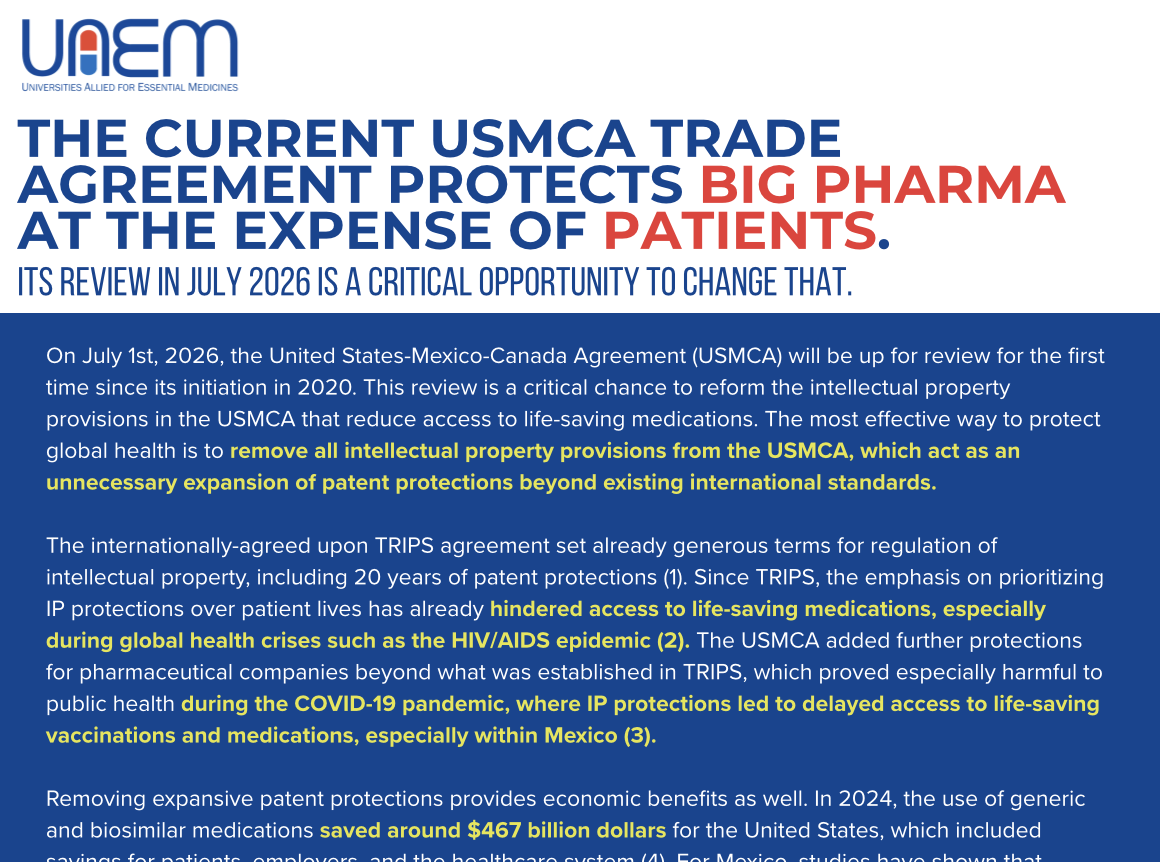
USMCA: Protect Patients, Not Big Pharma (2026)
Centering Equity in Pathogen Access & Benefit-Sharing
Increasing Access to NIH-Owned Innovations (2024)