
People Before Profit: Advancing an Equitable Health Future
April 3-5, 2026 — Los Angeles, C.A.
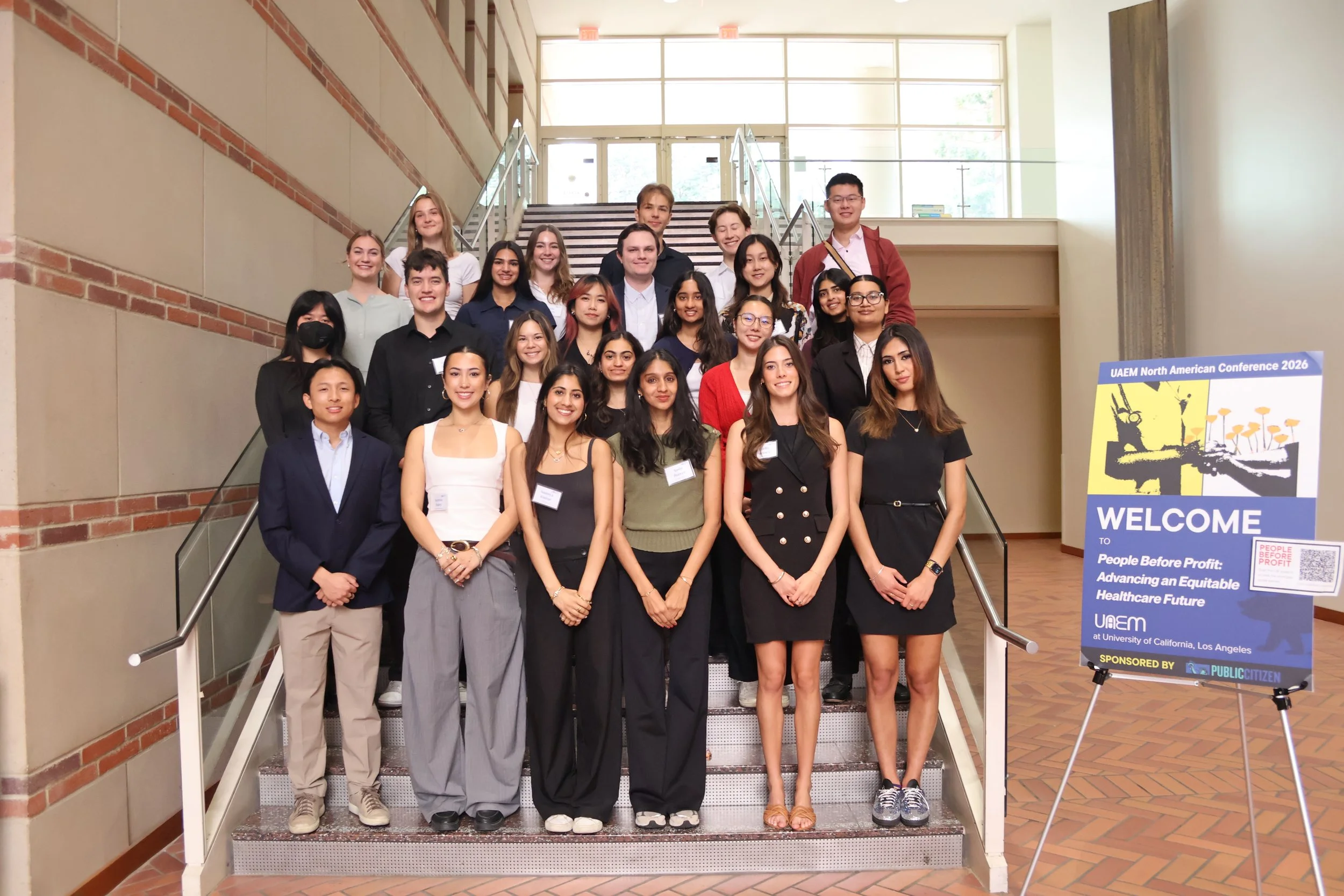
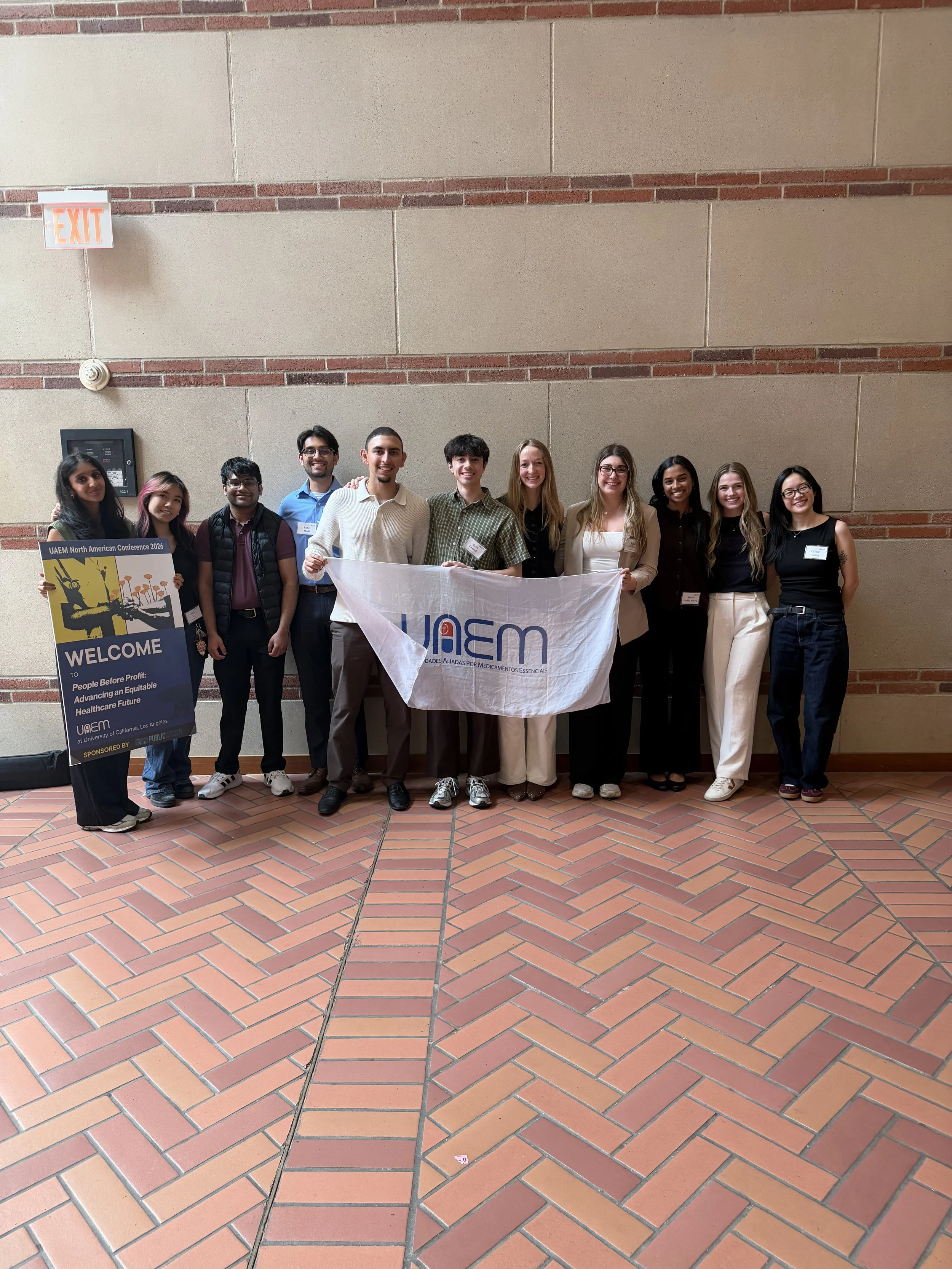
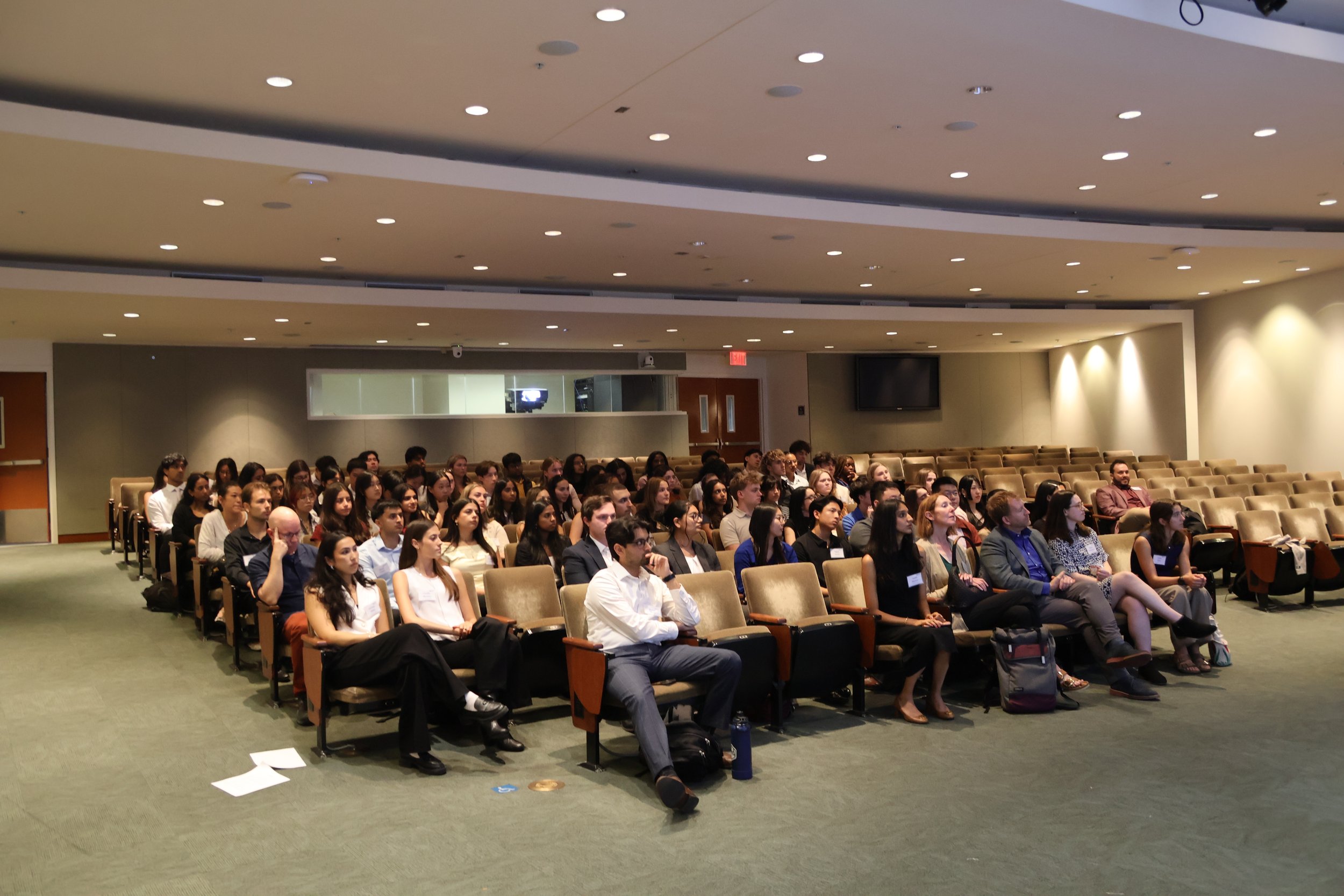
From April 3-5, 2026, students, researchers, advocates, and policy experts from across North America convened at University of California, Los Angeles (UCLA) for the annual Universities Allied for Essential Medicines (UAEM) North American Conference: People Before Profit: Advancing an Equitable Health Future, centered on the theme of reimagining access to medicines through policy, innovation, and collective action. Hosted in Los Angeles, this year’s conference brought together UAEM’s network at a pivotal moment for global health equity, one marked by rising drug costs, growing threats to research funding, shifting public pharmaceutical models, and renewed debates around intellectual property and access. Over the course of the weekend, attendees engaged in panels, workshops, and discussions that challenged existing systems while equipping participants with the tools to drive meaningful change within their own communities and beyond.
Friday, April 3
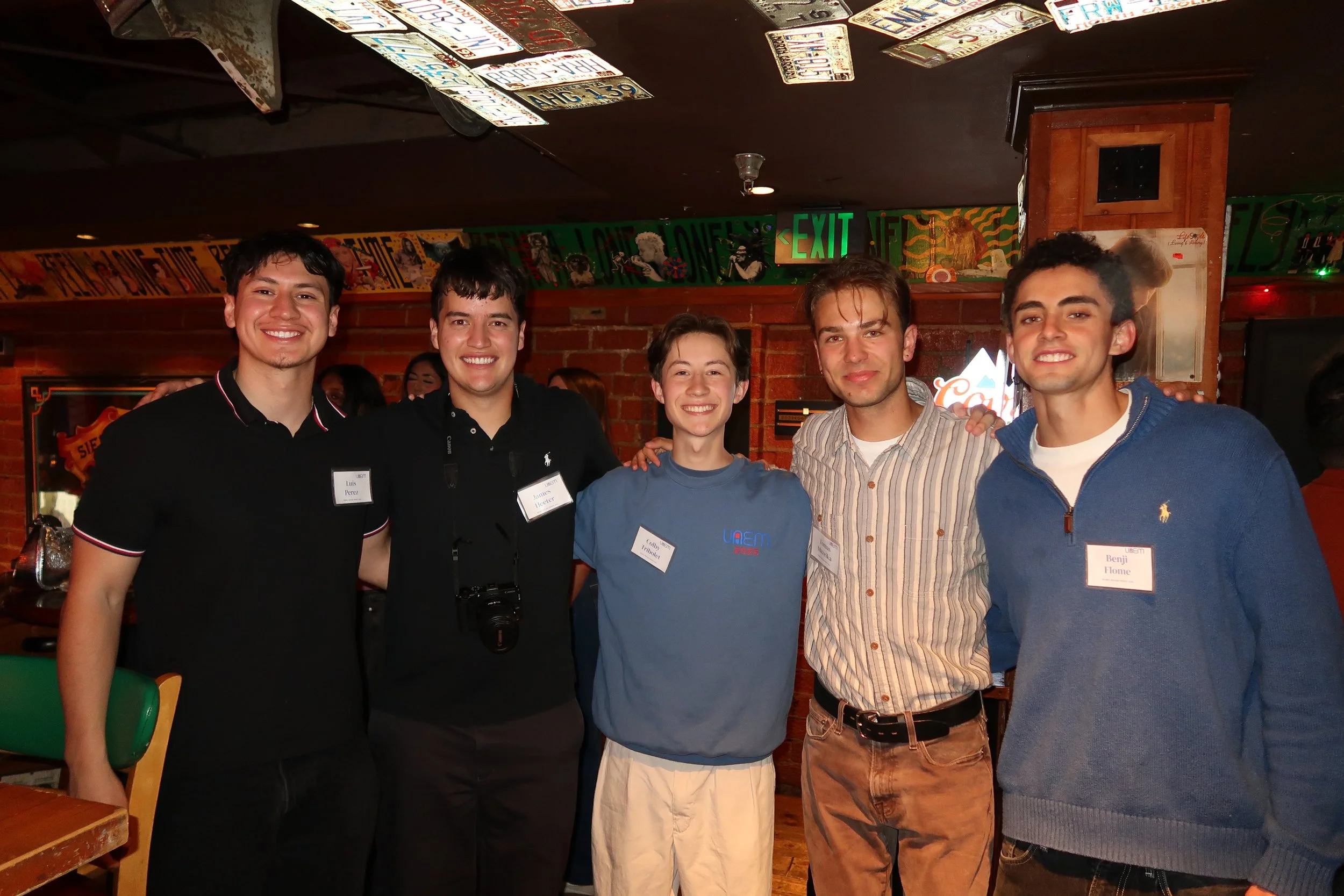
To kick off the conference weekend, attendees met up at Barney’s Beanery for dinner and networking. They were welcomed by UCLA chapter’s members, UAEM senior advisor, Justin Mendoza, and UAEM program manager, Cassidy Parshall. The night kicked off with a speech from the chapter president, Aashi Jhawer, followed by an alumni panel featuring Justin Mendoza, and three former UAEM at UCLA members: Rahil Modi, Mona Kurra, and Nicole Attiq. Stories from the inception and journey of the UCLA chapter were discussed, including the 2020 Xtandi campaign, how members found their way into the organization, and passionate legislative advocacy projects that UAEM at UCLA took part in. Students from all over the country made their presence felt, creating an evening of shared experiences, good food, and smiles all around.
Saturday, April 4
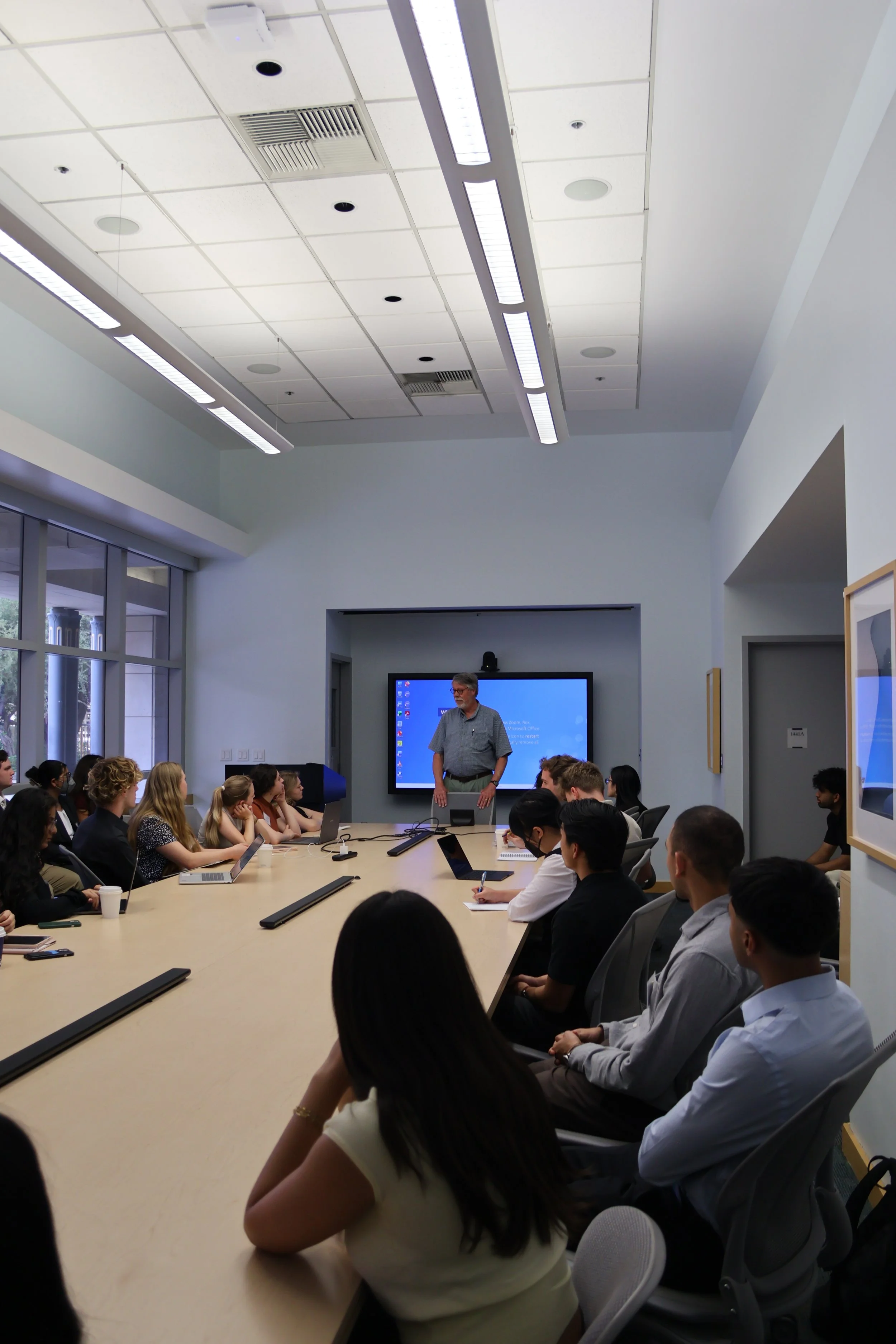
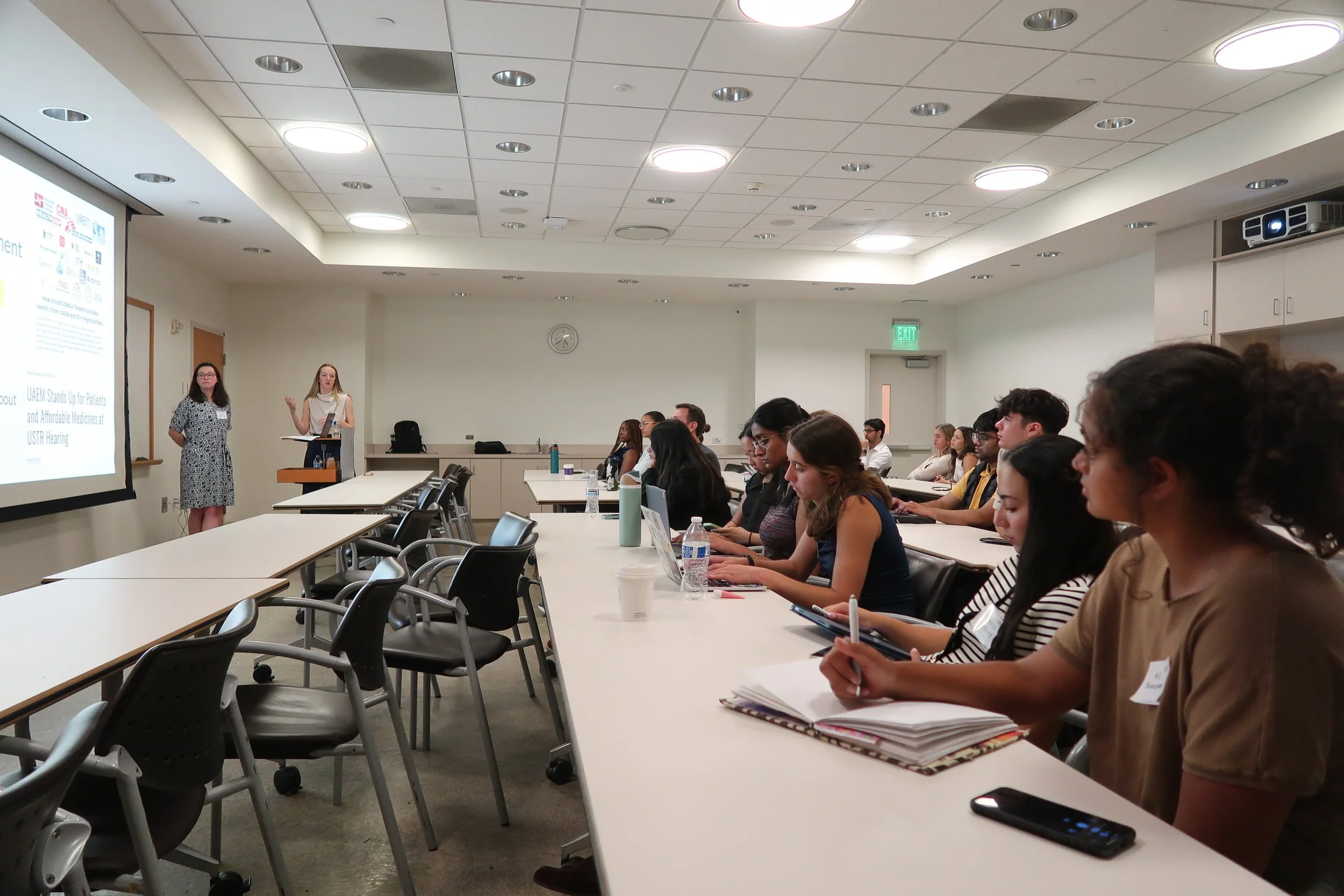
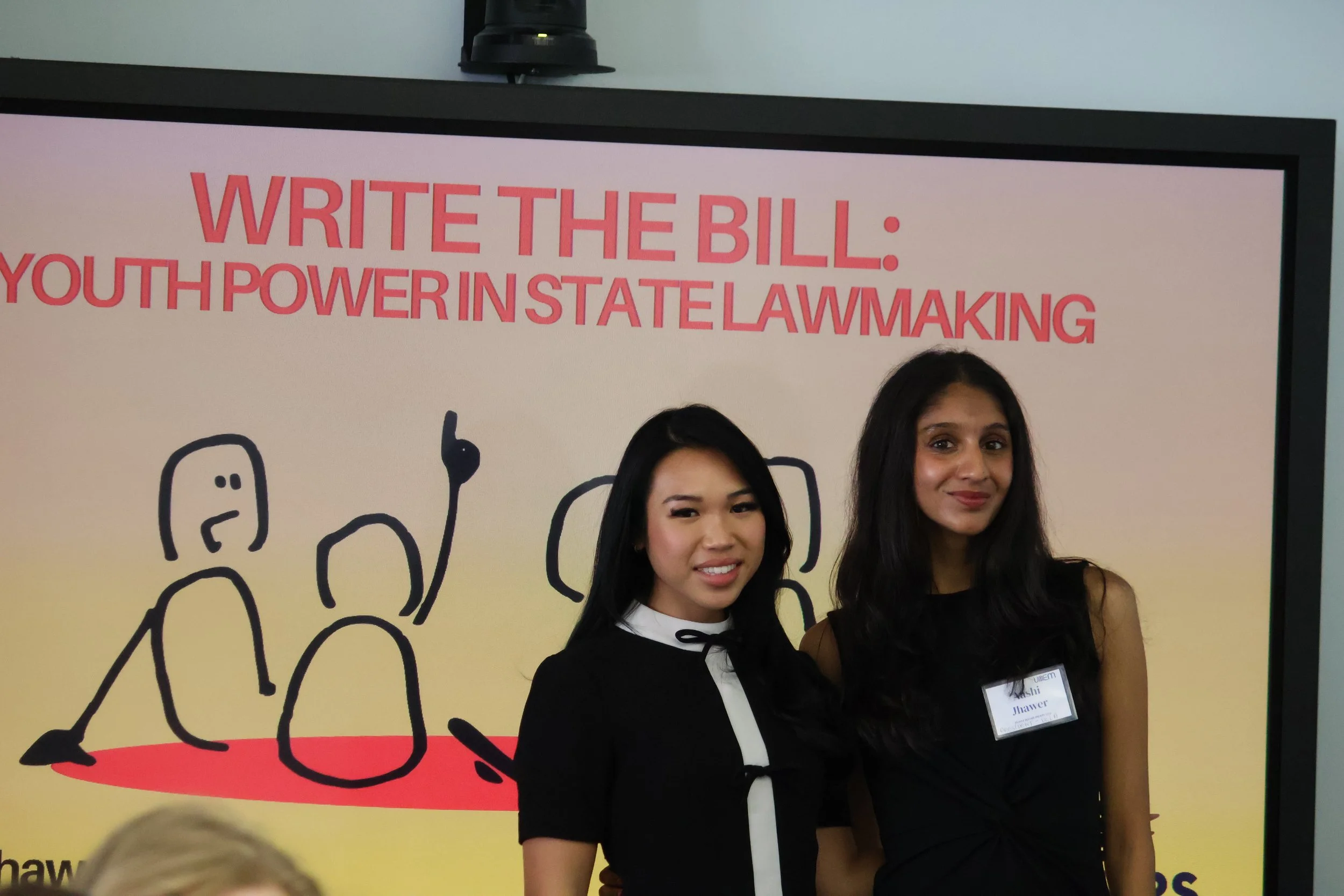
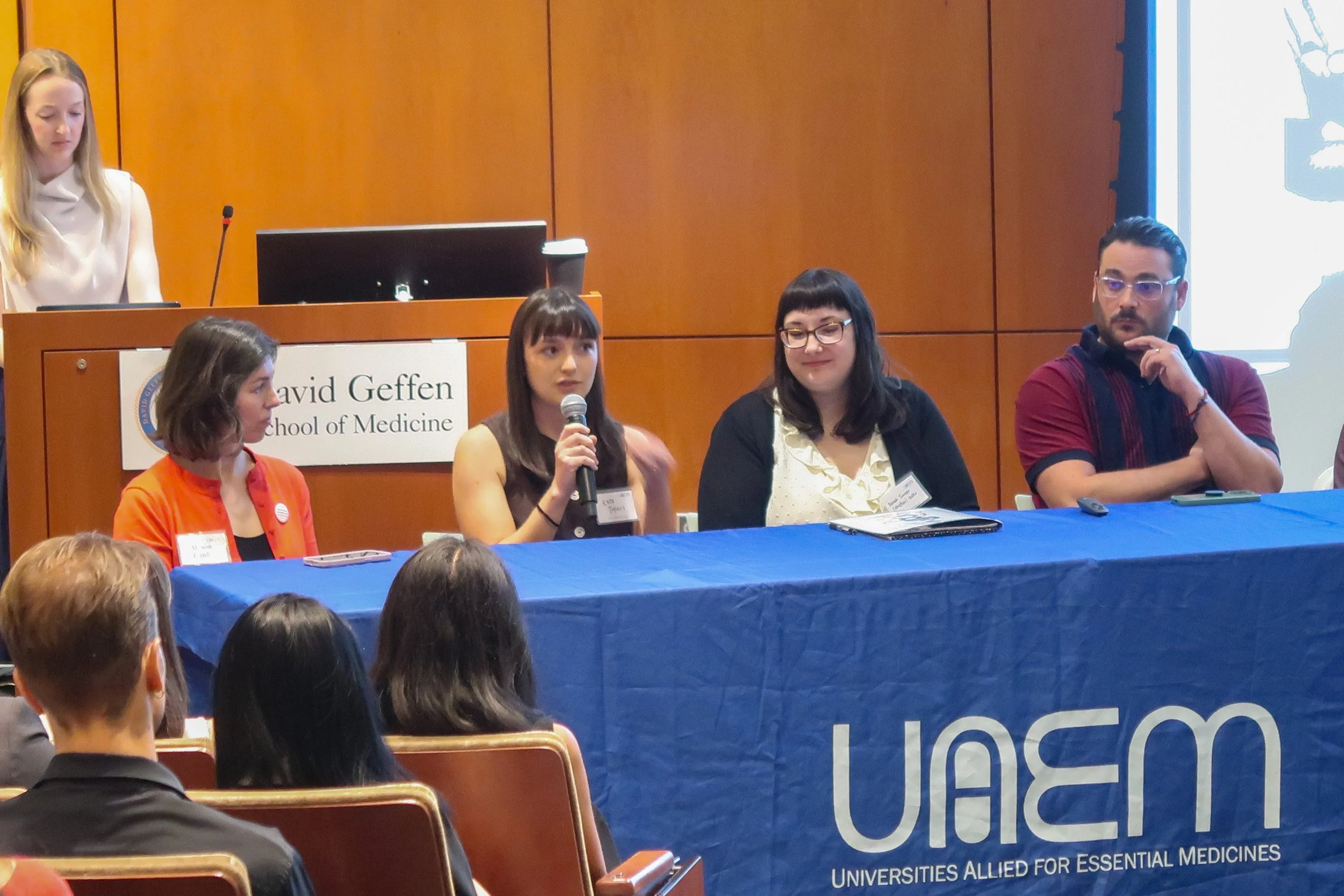
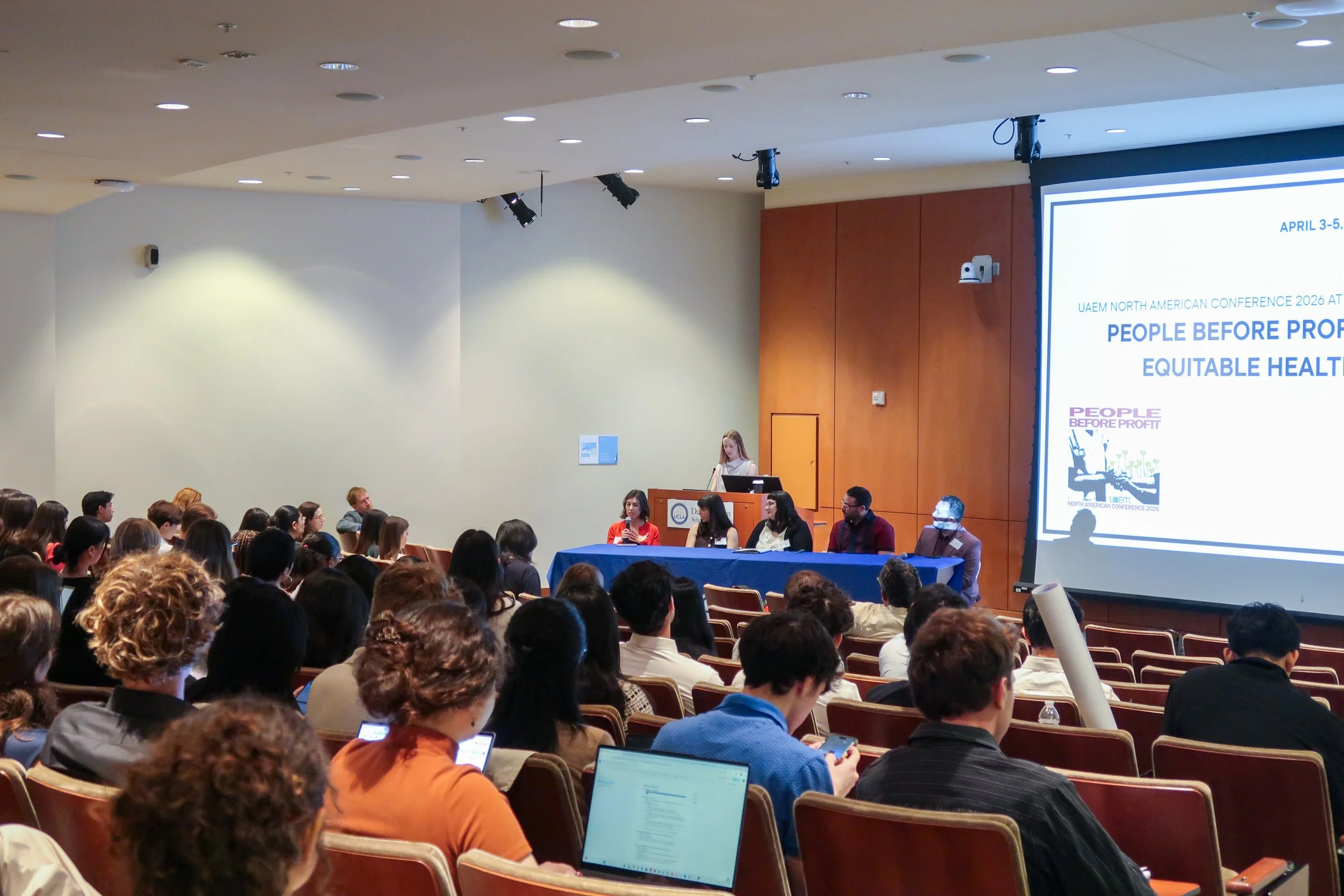
On Saturday morning, attendees woke up bright and early to arrive at UCLA's Neuroscience Building and were greeted by bagels and coffee from Noah’s Bagels. Once everyone was fueled up for the day, attendees were welcomed and ready for the first panel of the day, “What Insulin Started: CalRx, Public Pharma, and a New Vision for Essential Medicines.” The speakers included Allison Hardt from T1 International, Sarah Turner from California Department of Health Care Access & Information, Kate Topalis, a Family Medicine Physician, and Chris Noble from Health Access California. They discussed insulin access, public manufacturing of pharmaceuticals as a route to health justice, and how insulin is leading the way. From there, attendees had the option of picking between 3 breakout sessions covering topics including health justice, youth power in state lawmaking, and a California proposal to support the future of science. Through presentations and activities, attendees had gained so much knowledge already and it was then time for lunch and a break.
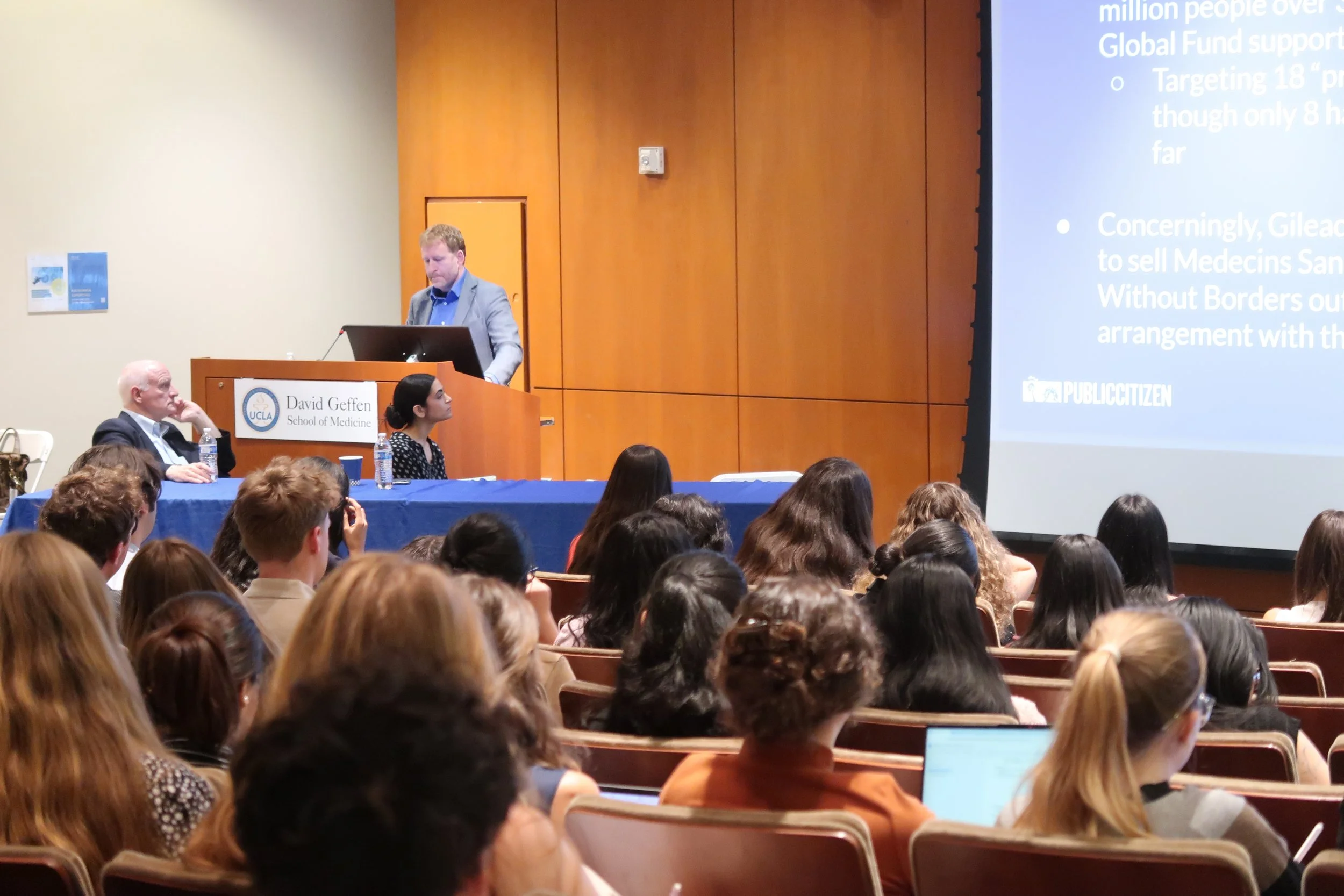
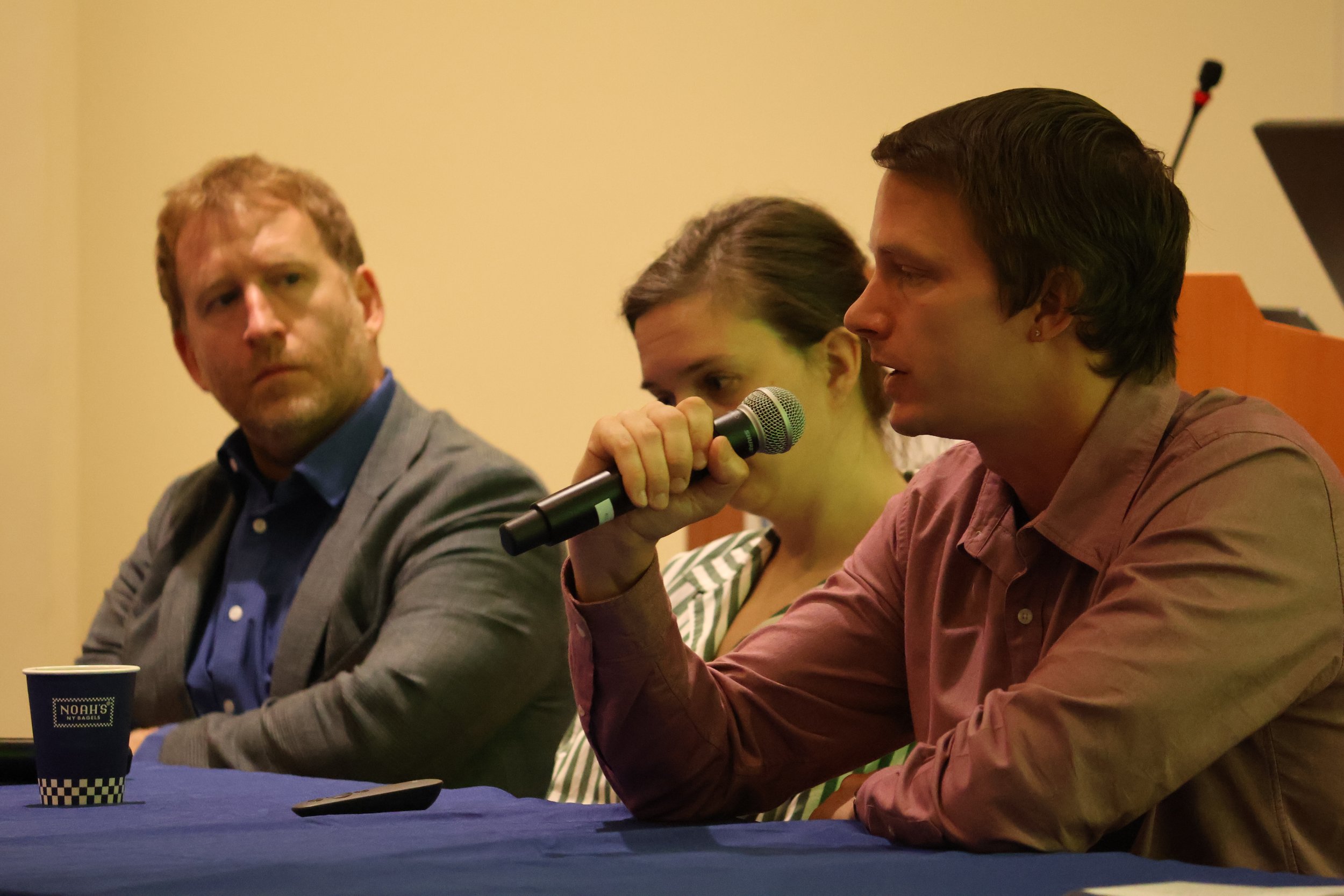
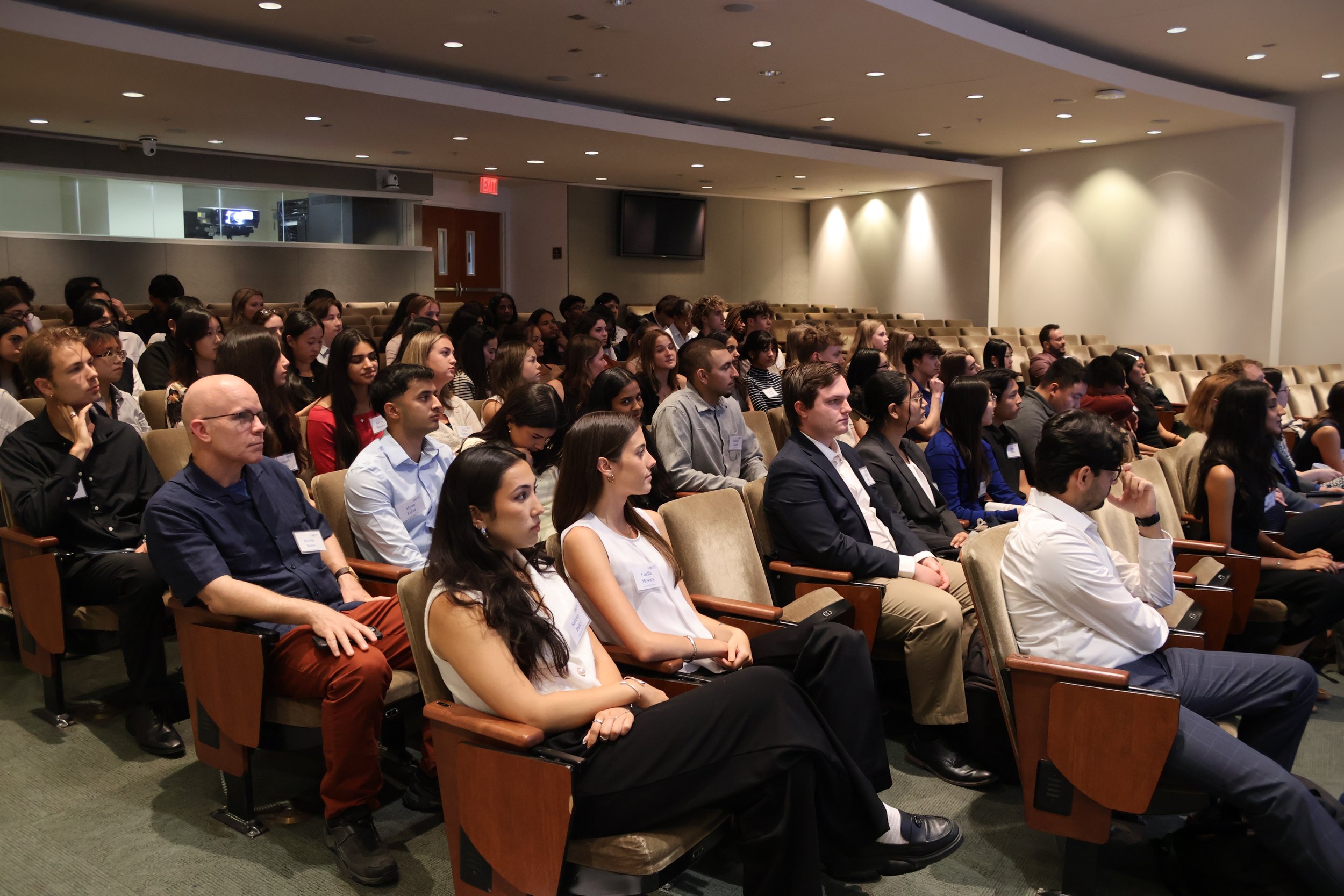
Following lunch, participants joined the conference keynote event, “Global Access to Lenacapavir: From Research to Real-World Impact.” This keynote event began with a featured presentation from Dr. Wesley Sundquist, Samuels Professor and Co-Chair of the Department of Biochemistry at the University of Utah. Dr. Sundquist outlined the research conducted by his NIH-funded lab that led to the development of lenacapavir, and underscored the critical importance of publicly funded research for lifesaving innovation and the progress we need to make to ensure these innovations reach those who need them. Peter Maybarduk from Public Citizen, Saba Sadat from AIDS Healthcare Foundation, and Oliver Yun from Doctors Without Borders (MSF) USA joined Dr. Sundquist for a panel discussion on who is being left behind in the rollout of lenacapavir and what we can do about it.
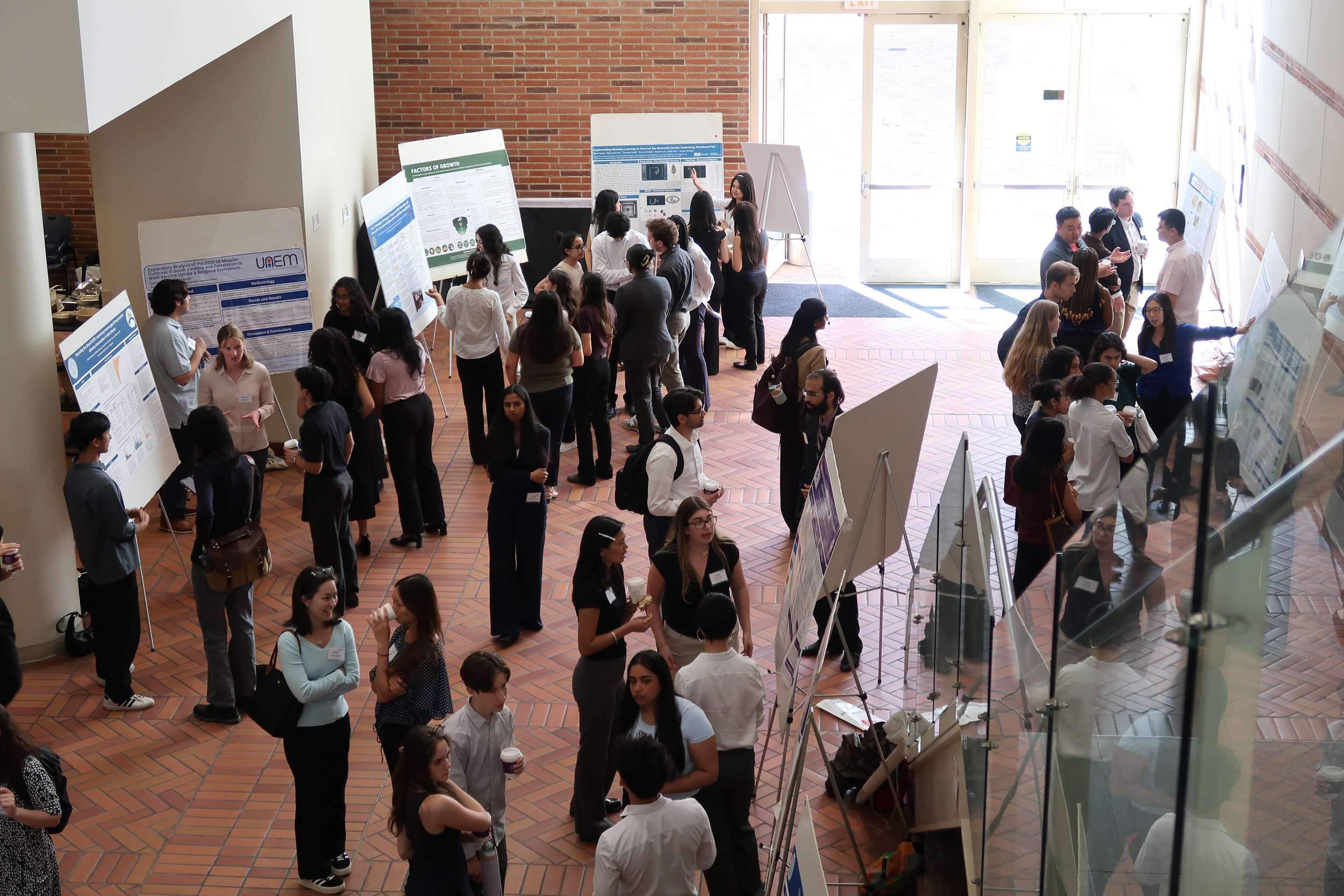
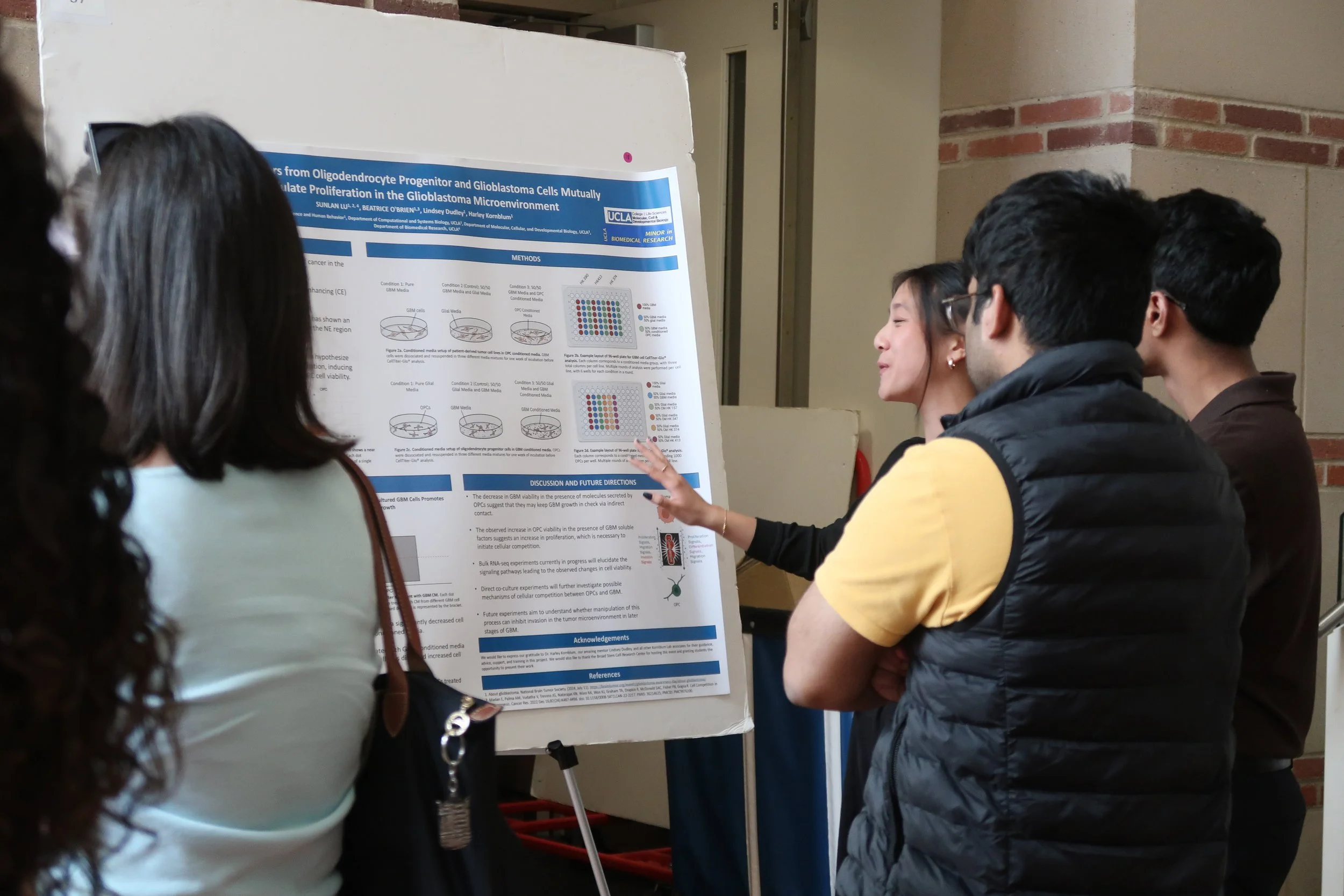
Following the keynote panel, participants enjoyed a coffee break while hearing from 25 research teams during the poster session. The lively and energetic poster session was a true reflection of the conference attendees’ passion for research. To close the day on Saturday, experts led three workshops during the final breakout session covering skills-building topics including leveraging open records requests for the public food, connecting with policymakers, and fighting corporate power.
Sunday, April 5
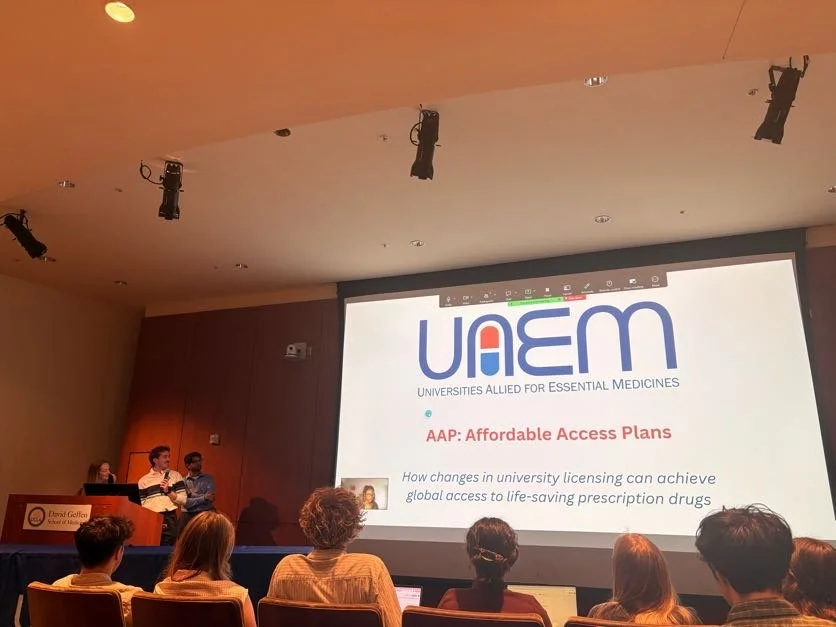
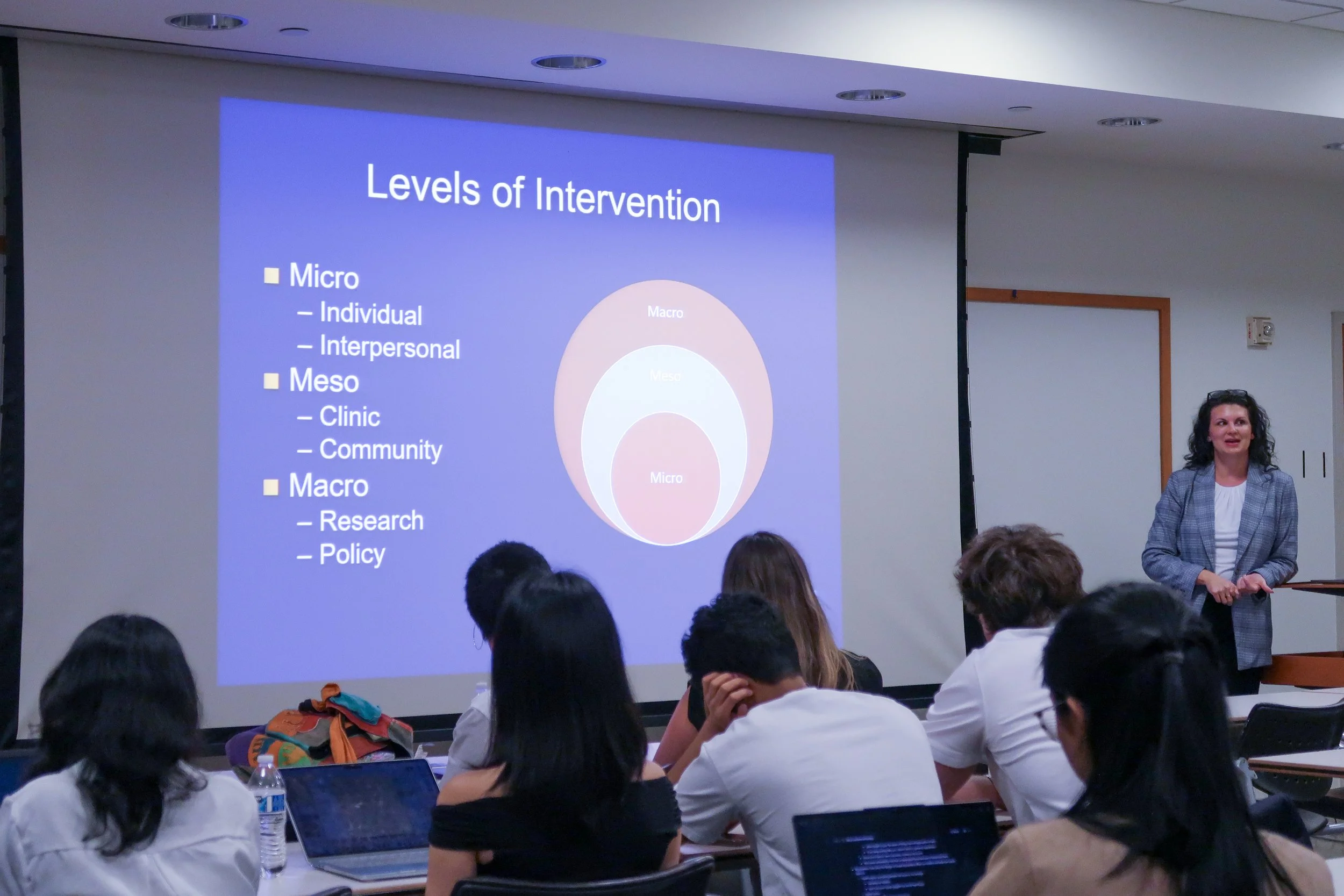
Sunday began with the final breakout session block where students could choose to attend a range of different tracks with topics including research methodologies to investigate drug licensing, neglected disease advocacy, and the impact of university licensing on global access to medicines. These respective sessions were led by students involved in various teams all over UAEM’s North American network, engaging both fellow students and well-renowned advocates in the space.
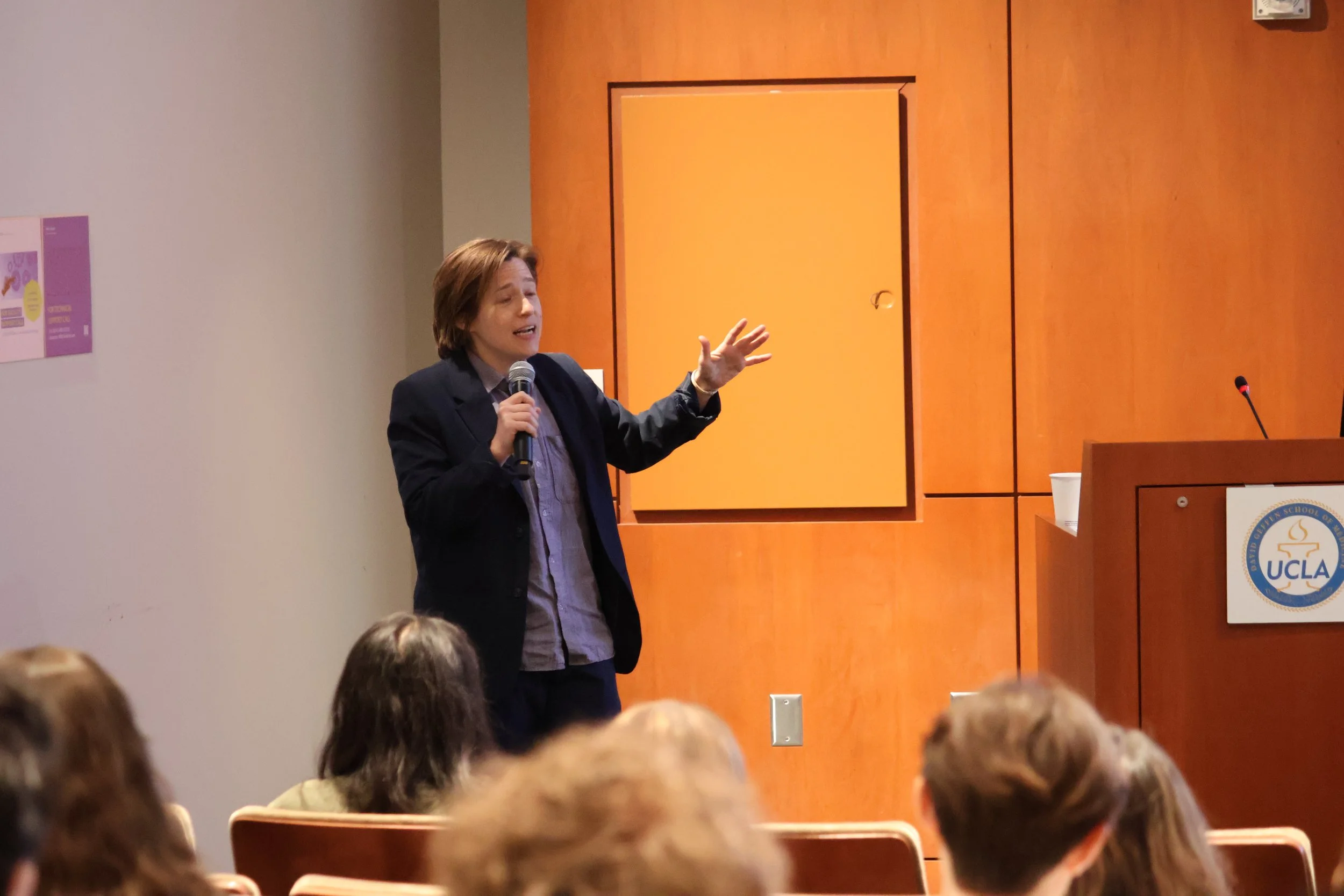
Sunday’s plenary speaker was Alex Moss, the Executive Director of Public Interest Patent Law Institute, and a long-time advocate in the health policy space. Alex inspired students with her engaging talk on “Patents for the People,” emphasizing the changes that need to happen in the intellectual property space to prioritize public access and affordability.
“I do not believe that the best innovations have ever come from the people who are the most selfish. They come from those who are really desperate to do something, maybe to save someone in their family, [maybe] to save their whole community.” - Alex Moss, Public Interest Patent Law Institute
After a brief lunch, the UAEM at UCLA research directors presented awards for the Poster Session. Awards included the People’s Choice Prize along with 3 other awards highlighting tenets of UAEM’s latest International Strategic Plan: Access, Power, and Innovation.
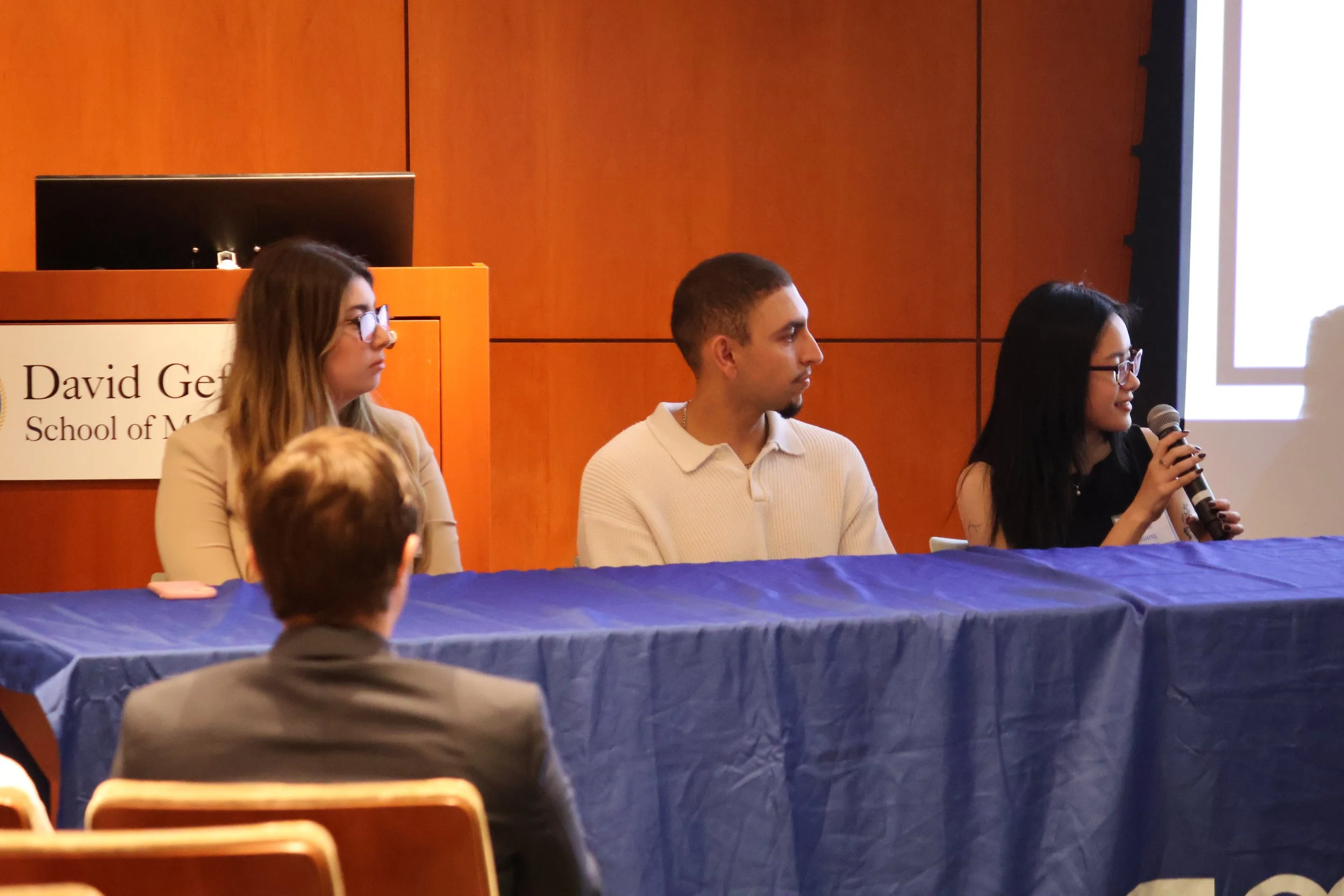
Finally, students had the opportunity to listen to Ipek Kocak, Celine Huang, and Daniel Ayubi, members from UAEM’s Coordinating Committee about greater involvement with the organization’s North American teams. The panel shared their individual experiences, project involvements, and strategic advocacy initiatives they helped develop. This was a fitting and powerful conclusion to the 2026 Conference, highlighting the ability of students to create global impact in the health advocacy space.
Conference Reflections
The 2026 UAEM North American Conference was a reminder that access to medicines is more than a question of science or innovation, but, rather, one of power: who funds research, who controls knowledge, who sets prices, and who is ultimately able to benefit from publicly supported discoveries. At a moment when research funding is under threat and global health systems continue to reflect deep inequities, UAEM’s work feels especially urgent. This weekend showed that students, more than being future advocates, researchers, or policymakers, are already actively shaping the conversation, building coalitions, and challenging institutions to serve the public good. As attendees return to their campuses and communities, we hope the conference serves as a catalyst for sustained advocacy, stronger cross-campus collaboration, and continued action toward a world where essential medicines are accessible to all.